Dig Once and Get It Right
Trenching and utility installation for underground water, sewer, and electrical lines in Chico, California and surrounding areas.
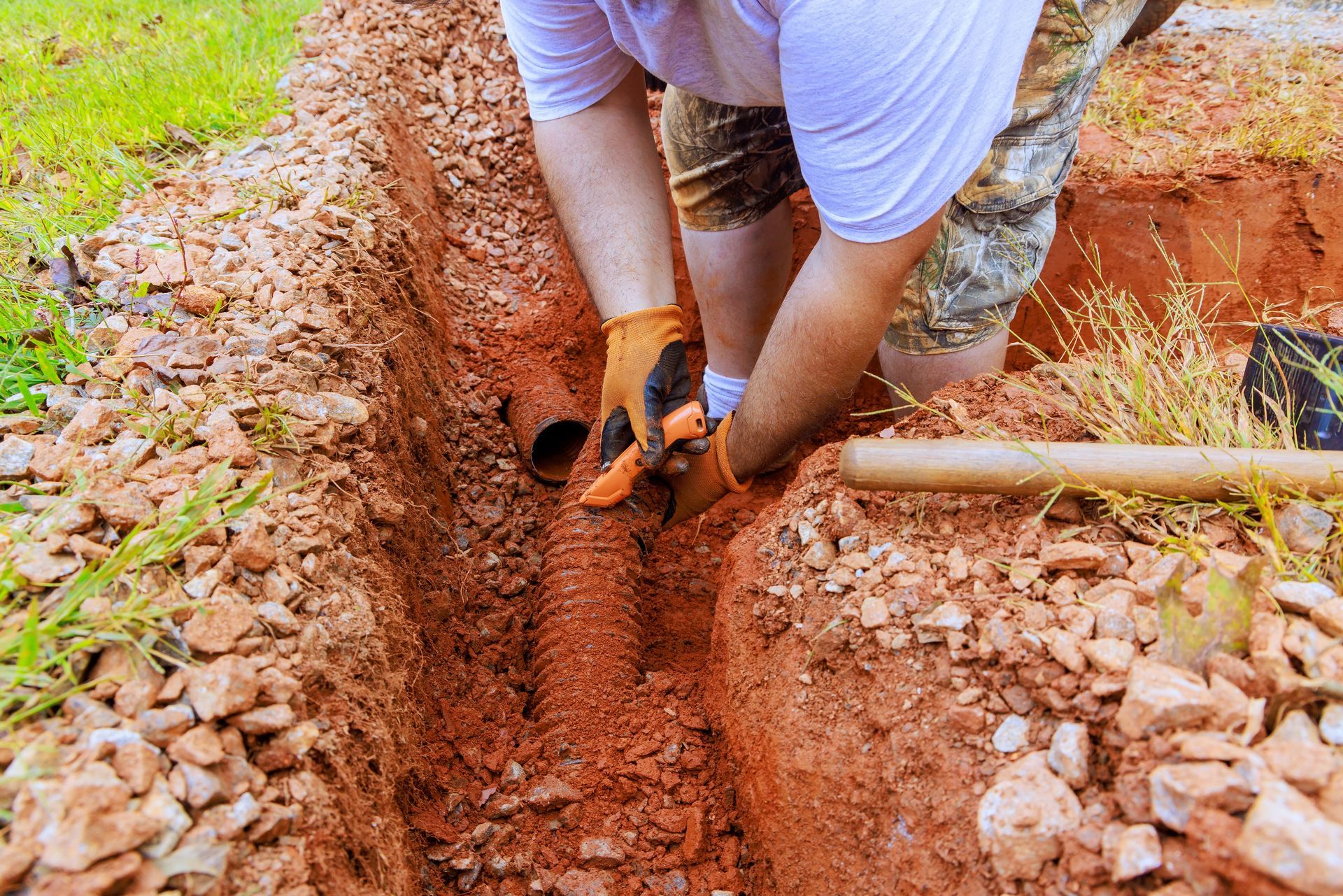
Every utility line running to your home or building in Chico, Oroville, Paradise or a surrounding area sits underground in a trench that was dug to a specific depth, aligned to avoid other buried systems, and backfilled to support the pipe or conduit for decades. Poor trenching leads to crushed lines, uneven settling, and expensive repairs that require digging everything up again. Chamberlain Backhoe & Septic excavates precise trenches for water, sewer, electrical, and other underground utilities, maintaining proper depth, alignment, and safety standards throughout the process.
The work includes planning trench routes that avoid existing structures and utilities, digging to code-required depths, and placing bedding material that protects pipes from shifting soil and surface loads. Whether you are building new construction, replacing aging lines, or adding utility access to an existing property, the trenching is done with care to prevent damage and ensure long-term reliability. You get underground systems installed correctly the first time, without callbacks or failures that interrupt service.
If your project in Chico or a neighboring community requires trenching or utility installation, contact Chamberlain Backhoe & Septic to schedule the excavation work and coordinate with your timeline.
How Trenching Is Planned and Executed
Trenching begins with marking existing utilities and planning routes that avoid conflicts with water lines, gas mains, septic systems, and electrical conduits already in the ground. In the Chico area, digging often encounters rocky soil, tree roots, or unexpected underground obstacles, so equipment must be operated with precision to stay on course and avoid damaging adjacent systems. Trenches are dug to the depth required by code for each utility type, and the bottom is prepared with sand or gravel bedding that cushions pipes and prevents movement.
After installation, you will notice that water pressure remains steady, drains work without backups, and electrical service runs reliably without interruptions caused by poorly installed lines. The ground settles evenly, and there are no dips, washouts, or exposed sections that signal sloppy backfilling or inadequate compaction.
Chamberlain Backhoe & Septic works around existing structures and landscapes to minimize disruption and leave the site clean and secure once trenching is complete. Backfilling is done in layers with proper compaction to prevent voids and surface settling. The work supports new construction, replacements, and system upgrades that require underground access done right.
Property owners and contractors in Chico often ask about trench depth requirements, how existing utilities are protected, and what happens if unexpected conditions are encountered. These questions help clarify what the work involves and how it is completed safely.
What to Expect When Installing Utilities
Chamberlain Backhoe & Septic provides trenching and utility installation for residential and commercial projects in Chico that need underground systems installed with precision and care.
If your project requires excavation for water, sewer, or electrical lines, get in touch to discuss your timeline and schedule the work.